


Sometimes, change begins quietly. Not in huge decisions, but in the gentle shift of our awareness. When we started looking at meditation from the Marquesian perspective, something became clear: it isn’t just about sitting in silence. It is about learning how to meet ourselves, moment by moment. In this article, we want to share a grounded path for beginners who wish to start with Marquesian meditation practices. We'll keep the guidance practical, thoughtful, and easy to follow, based on what we have seen work over years with real people wanting more from life than busyness or distraction.
Understanding the foundation of Marquesian meditation
Marquesian meditation stands apart because it connects emotional clarity, conscious maturity, and a sense of personal responsibility. At its heart, this practice is not detached from daily reality—it lives in our choices, relationships, and the stories we carry about ourselves. When we meditate in this way, we do more than calm the mind; we learn to see ourselves with honesty.
The approach considers not only our conscious thoughts but also our patterns, history, and the emotional roots that drive our behavior. It is not passive. It is about cultivating presence and choosing how we meet the world.
Core principles: What sets Marquesian meditation apart?
In our experience, Marquesian meditation is built on principles that encourage integrated growth. These include:
- A focus on consciousness as the source of meaning
- Emotional self-observation—not judging, but understanding
- Connecting intention with action
- Awareness of the systems and relationships surrounding us
- Valuing the process itself, not just the end
Strong foundations matter before we begin to practice. Without them, meditation can become an escape, rather than a source of personal expansion.
Sit. Notice. Allow. Begin.
Getting started: Preparation and mindset
Individuals who start Marquesian meditation often come with doubts or high expectations. This is normal. We encourage a beginner’s mind, meaning an openness to learn rather than striving for perfection. You do not need to eliminate all thoughts or control every feeling—instead, you become aware of them.
A simple setup helps:
- Pick a quiet space where you will not be interrupted
- Sit with a straight but relaxed posture, either on a chair or a cushion
- Set a gentle timer—start with 7 to 10 minutes
- Keep a journal nearby to record reflections afterward
The first challenge will not be external distractions but the mind’s habit of running away from discomfort or restlessness. This, too, becomes the practice.
Step-by-step guide to a basic Marquesian meditation session
We want to offer a structure that feels accessible, even for those sitting down for the first time. This basic session integrates the key elements of Marquesian meditation: presence, emotional contact, and conscious intention.
1. Centering your attention
Begin by sitting down, closing your eyes if that feels safe, or lowering your gaze. Breathe naturally, without forcing rhythm. Bring gentle attention to the breath—not to control it, but to notice it as it is.
2. Body awareness
Scan the body from head to toe, noting sensations. Are there areas of tension, warmth, or cold? Welcome each one. If discomfort arises, breathe into that area and observe without trying to change it immediately.
3. Emotional noticing
Now, gently ask: What am I feeling right now? Name any emotions that show up, such as “anxiety,” “calm,” “impatience.” No emotion is wrong. This is not analysis. It is simply seeing the emotion as part of the present moment.
4. Inquiry into thoughts
Notice where attention drifts. If thoughts surface—about your to-do list or the past—label them simply as “thinking” and return your awareness to breath or body. This labeling supports self-knowledge and weakens the habit of self-criticism.
5. Setting intention
Now, mentally state a simple intention for the session, like “today I meet myself with honesty” or “I observe without judging.” Let this guide the remainder of your sitting.
6. Closing the session
When your timer signals the end, open your eyes slowly. Take a few breaths and write any observations or emotions that stood out during the practice.
This reflection helps integrate meditation insights into daily life.
Building a sustainable practice: Common tips
Consistency matters more than intensity in Marquesian meditation. We have found these tips to be helpful for beginners who want to keep going:
- Choose a regular time daily—even five minutes is enough at first
- Track your sessions in a notebook or app to notice patterns
- Be kind to yourself on days that feel scattered or restless
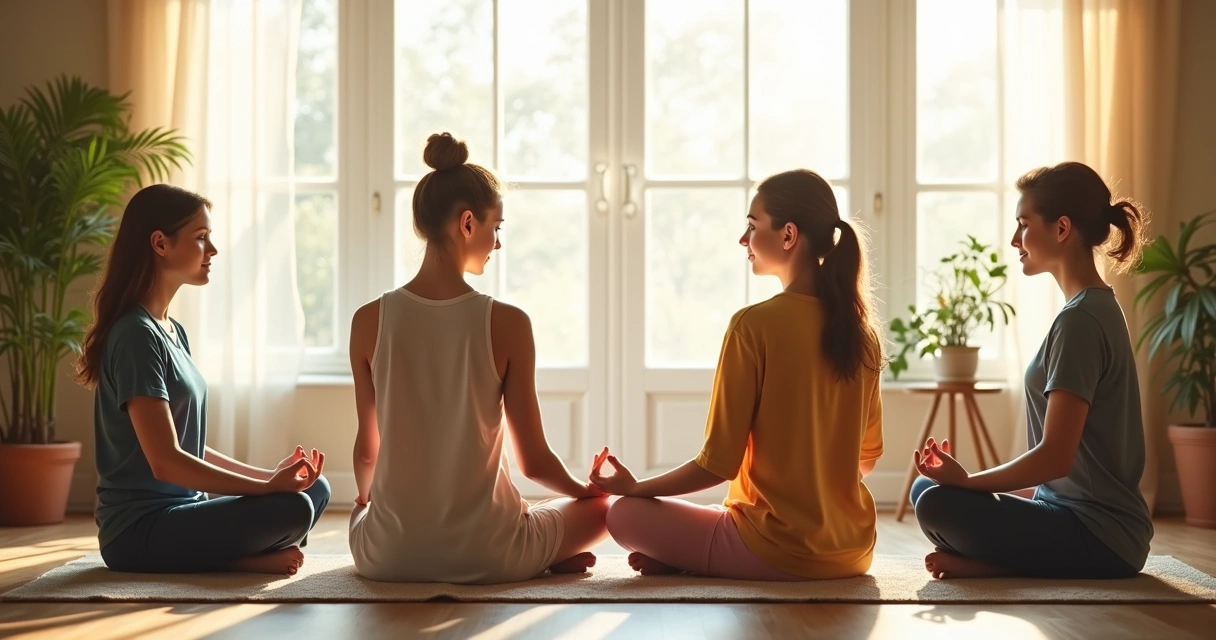
- Sometimes meditating with a trusted group supports motivation—look for communities aligned with your goals
It can be useful to read more on themes such as consciousness, practical philosophy, or emotional maturity to strengthen your understanding.
Moving from meditation to real-life integration
In our perspective, Marquesian meditation never ends with the session itself. The real growth appears in daily choices—how we respond to stress, relate to others, and align actions with personal values. This way, meditation becomes something living and practical, not separate from routine.
We encourage practitioners to bring meditative awareness into moments such as:
- Conflict conversations: Noticing emotional triggers before reacting
- Decision-making: Pausing to sense inner guidance before choosing
- Transitions: Closing your eyes briefly before or after key meetings, or after work
These small habits weave the benefits of meditation throughout life. If you are looking for more specific practices, searching for meditation methods or Marquesian meditation variations can give a broader perspective.

Signs of progress: What changes can you expect?
As weeks pass, you might notice subtle shifts. Sometimes, it’s being less reactive in a stressful moment, feeling a little more steady, or becoming aware of previously hidden emotions. These changes often appear quietly but sustain themselves long-term.
What we consider progress in Marquesian meditation:
- Greater emotional clarity—knowing what you feel, when you feel it
- Increased pause between stimulus and reaction
- A deeper sense of purpose and alignment
- More acceptance of imperfection, both in yourself and others
- A quieter, steadier mind, even during busy periods
This kind of transformation comes from regular, honest practice rather than single moments of insight.
Conclusion: The journey is yours
We have seen how Marquesian meditation offers more than a technique—it is a framework for inner growth and sustainable change. The steps are simple but not always easy. Consistency builds results, and even short sessions can lead to profound self-knowledge over time.
You do not have to “get it perfect.” Let yourself notice new experiences while practicing. Allow meditation to become a daily gift you give yourself, even when you falter. If you stay honest, present, and committed to observing what arises, genuine transformation will follow. The journey truly begins with the choice to be aware.
Frequently asked questions
What is Marquesian meditation?
Marquesian meditation is a practical approach to self-awareness that integrates emotional observation, conscious intention, and the relationship between personal history and present behavior. It focuses on being present, understanding feelings without judgment, and connecting meditation practice with daily life.
How do I start Marquesian meditation?
We suggest beginning by setting aside a quiet place and time, sitting in a comfortable but alert posture, and committing to 7–10 minutes daily. Start by focusing on your breath, scanning bodily sensations, noticing emotions as they appear, and gently setting intentions for your session. Using a journal for reflection afterward helps with integration.
What are the main benefits of Marquesian meditation?
The practice can help build emotional clarity, increase conscious maturity, and encourage more thoughtful and harmonious relationships. Many people also experience reduced stress, more consistent calmness, and a stronger connection to their purpose and values.
Are any special tools needed?
No special equipment is required. A comfortable place to sit, a timer, and perhaps a notebook for reflection are all you need. Some practitioners choose to meditate with groups or use audio guidance, but these are personal choices rather than necessities.
How long should I meditate daily?
We recommend starting with 7–10 minutes per day, especially for beginners. As familiarity grows, increasing the time to 20 minutes or more can deepen your experience. What matters most is regular practice, even if the sessions are brief at first.