
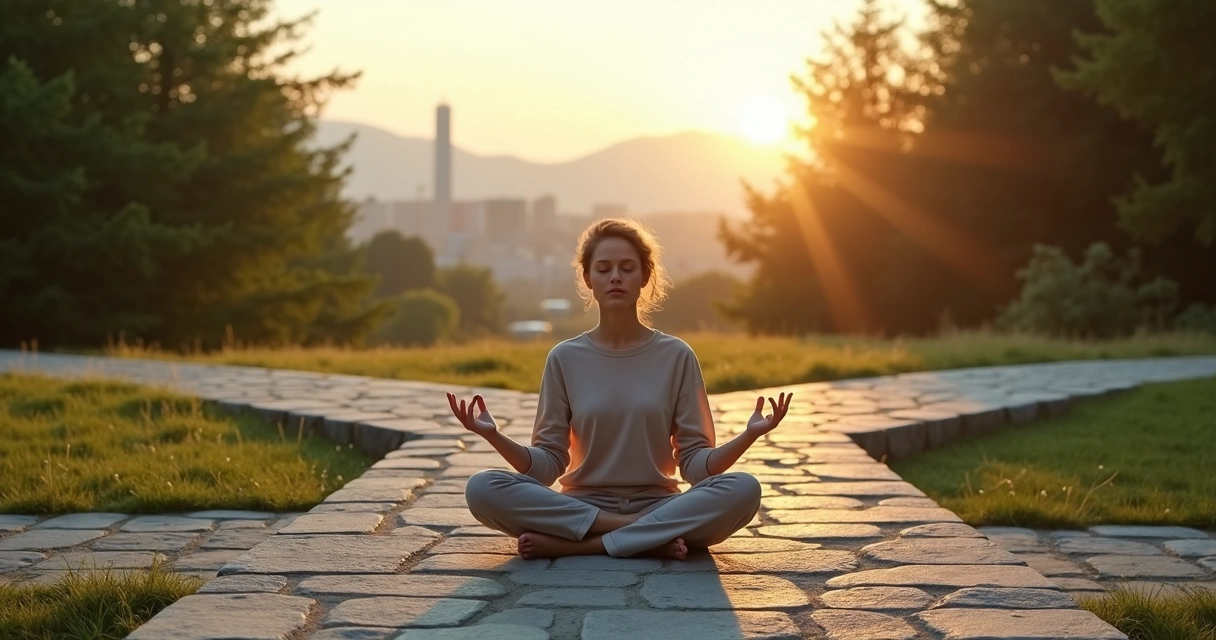
We all know the discomfort of standing at a crossroads, frozen by the fear of making the wrong move. Decision paralysis is not just about hesitation—it’s an experience that drains energy, erodes confidence, and clouds our sense of direction. Yet, it’s possible to break free from this cycle. From years of study and observation, we have witnessed the power of a contemporary meditation practice that brings clarity exactly when choices seem impossible to make.
Understanding decision paralysis
Decision paralysis happens when overthinking, conflicting emotions, or a flood of options push us into inaction. Though it may seem like a small issue, the impact stretches across life. We see it in our clients struggling with career changes, in leaders unable to commit to strategy, and in anyone tormented by “what ifs.”
At its core, decision paralysis is often a product of emotional confusion and unconscious patterns that hold us back from acting decisively. Our habits, internal beliefs, and patterns from our past can turn every choice into a monumental hurdle.
How meditation addresses the roots of inaction
The best meditation approaches are more than relaxation tools. They train us to perceive our thoughts and feelings without getting caught in them. The method we advocate draws from a philosophy that treats consciousness itself as the center of human growth. Our experience is that when people learn to meditate in this way, their decisions become lighter and clearer.
- Emotional clarity
- Access to deeper motivations
- Less attachment to fears
- Greater inner alignment
- The confidence to act with purpose
The rest of this article breaks down exactly how this practice works, with five concrete mechanisms that, in our view, dissolve the knots of decision paralysis.
1. Calming emotional turbulence
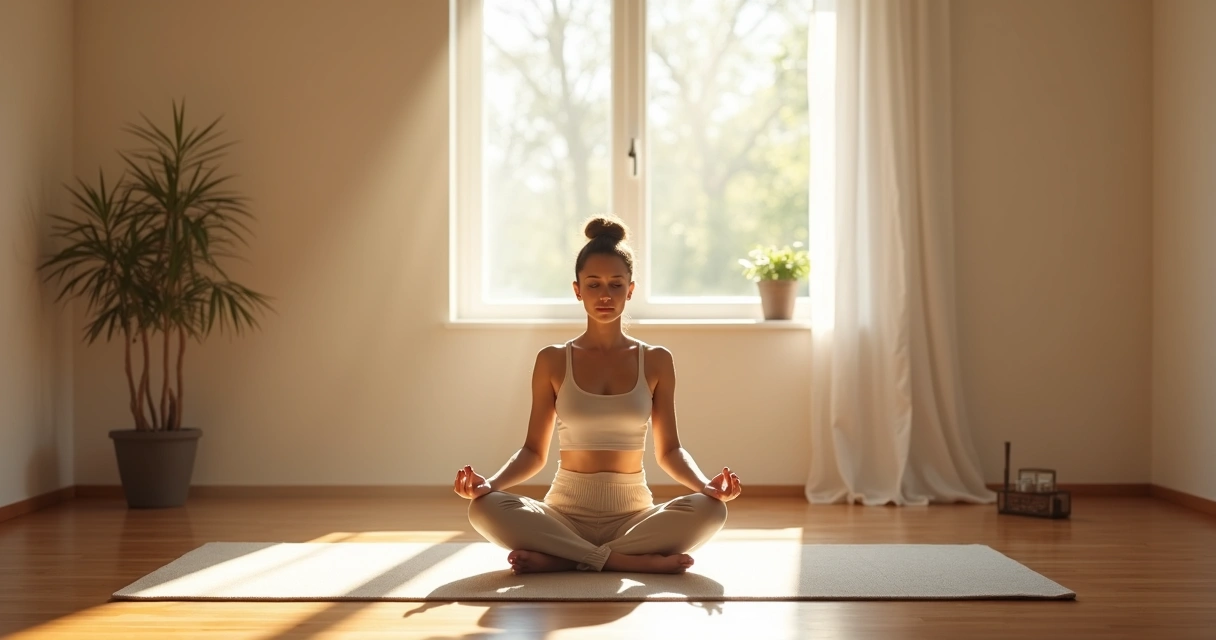
One undeniable step to healing decision paralysis is learning to sit with your own discomfort. That’s why meditation begins with attention to breath and body sensations. In our sessions, people are often surprised by the noisy mix of fear, hope, expectation, and regret already simmering inside them.
Meditation gives space to these feelings rather than suppressing them, which means emotional storms lose some of their force. When this internal noise quiets down, the real needs behind a decision emerge.
For example, we’ve seen professionals overcome agonizing indecision by simply practicing attentive pauses before meetings or major emails. These small rituals offer a buffer between urge and action, allowing reactive emotions to settle. This calm creates space for conscious choice.
2. Revealing unconscious patterns
Every tough decision brings old stories to the surface. Perhaps failure meant rejection in childhood, or taking a bold step was discouraged. These traces run deep and quietly shape our choices.
Meditation built upon self-observation brings those invisible scripts to light. We’ve watched as people recognize a pattern—overpleasing a manager, avoiding growth opportunities, sticking with routine out of fear. During meditation, as thoughts and memories arise, we guide people to note them softly, without judgment.
Naming self-sabotage is the first step to letting it go.
Once clients recognize how the past shapes the present, they gain freedom to act from current reality—not from inherited fears.
3. Accessing intuitive clarity
Analysis can be helpful, but it often backfires when it drowns intuition. A distinct strength of meditative practice is the way it encourages brief pauses, which connect us to something deeper.
We teach people to focus on the heart area, or to rest attention on the base of the body, watching sensations arise and pass. Soon, scattered thoughts quiet, and what’s really wanted rises to the surface. This often appears not as an argument or a logical thread, but as a simple inner “yes” or “no.”
When intuition is honored and practiced, it grows stronger and more reliable, even amid complexity.
People who adopt these small inner check-ins become less dependent on outside validation when faced with tough choices.
Find more insights on decision-making and paralysis here.4. Strengthening conscious choice
What separates an impulsive reaction from a conscious decision? It’s the awareness of motivation, consequence, and alignment with core values. Meditation roots us in this awareness, bridging internal states and outward action.
During group practice, we use questions as anchors:
- What am I trying to avoid right now?
- Who will be affected by my choice?
- What value do I serve by choosing this path?
This habit of checking in brings a sense of responsibility to the process—suddenly, decisions carry meaning, not just pressure.
With repetition, conscious choice turns from a strain into a natural flow.

5. Anchoring actions in purpose and value
The last and most transformative benefit we see is the linking of choices to a larger sense of purpose. When our actions tie back to something meaningful, fear grows smaller. The meditation tradition we use regularly invites practitioners to notice what really matters to them—what gives their work, relationships, and daily life lasting significance.
Without this anchor, decision paralysis thrives on a void, making every outcome seem meaningless or risky. But with purpose in focus, each step feels lighter, even if the answer isn’t perfect.
Those who meditate in this way report feeling less regret and more alignment, even after tough calls. There’s relief in realizing it’s possible to act from a space larger than immediate comfort or fear.
To connect deeper with the concept of value and its role in choice, our readers might appreciate this category: human valuation.
Practical ways to apply this meditation
We encourage readers to start small. Even two minutes a day can build awareness. Set aside moments before sleep, on a walk, or before answering a challenging message. Focus on breath, name the feelings, watch the thoughts. Then ask: does this choice align with who I want to be?
For more guidance in breathing, wise observation, and integrating values, we recommend the resources available in our sections on consciousness, emotional maturity, and practical philosophy.
Conclusion
Decision paralysis does not have to remain an unsolvable problem. Our years of experience show that meditation, approached with a focus on consciousness, emotional honesty, and values, can transform stuckness into flow. When we become present to our inner world, understand our past patterns, tap into intuition, make choices mindfully, and anchor action in meaning, the pressure lifts. We hope these five pathways inspire you to try a new approach the next time indecision sets in. Change begins with the smallest internal shift.
Frequently asked questions
What is Marquesian meditation?
Marquesian meditation is a contemporary practice that brings together awareness, emotional integration, and values-based guidance. It isn’t only about stillness; it is a living tool for observing thought, processing emotions, and aligning daily actions with deeper purpose. Central to the approach is the understanding of consciousness as the main axis of personal development.
How does it help with decision paralysis?
Through meditation, we learn to see the emotions, thoughts, and memories that fuel indecision. The technique helps by calming anxiety, exposing limiting patterns, giving space to intuition, and consistently linking actions to values. With regular practice, the internal fog that leads to paralysis begins to clear, leaving room for more confident choices.
Is Marquesian meditation easy to learn?
Yes, it is designed to be accessible. Beginners are often surprised by how natural it feels to start with a few minutes of focused breath or gentle observation. There’s no need for complex rituals. With steady practice, comfort and skill deepen.
Where can I practice Marquesian meditation?
You can practice anywhere that allows quiet and focus—at home, in a park, before meetings, or even during a break at work. The tools are internal, so location is flexible. What matters most is consistency and a curious, open attitude toward your own experience.
How long does it take to see results?
Many practitioners notice a softening of stress and a fresh clarity after just a few sessions. For deeper shifts, such as unwinding long-standing patterns, we typically observe noticeable changes within a few weeks of mindful, daily attention. Consistency, rather than length of time, is the key to transformation.