


We often try to solve system problems with more thought. More analysis. More meetings with ourselves. Yet many times, the issue is not a lack of thought. It is noise.
System clarity means seeing the patterns that shape our choices, moods, reactions, and relationships. It is the ability to notice what belongs to us, what comes from the groups around us, and what keeps repeating without our full awareness.
Meditation helps system clarity by slowing inner noise so hidden patterns become easier to notice.
In our experience, this shift can feel simple at first. We sit. We breathe. We watch the mind. But after a few days, something deeper starts to appear. We notice that one tense conversation affects the whole day. We see that one old fear changes how we speak to a partner, a team, or a family member. This is where meditation stops being a relaxation exercise and becomes a tool for perception.
What system clarity really means
When we speak of systems, we are talking about the networks we live inside. Family. Work. Friendships. Social roles. Inner beliefs. Past experiences. These systems influence us even when we think we are acting freely.
Without clarity, we confuse symptoms with causes. We may think we are tired, when in fact we are overloaded by unresolved tension. We may think a conflict is about another person, when it is also about our own expectation, fear, or need for control.
Clarity changes the quality of choice.
Meditation does not erase complexity. It helps us face it without immediate reaction. That pause matters. A lot.
We have seen people discover, in a quiet ten-minute practice, that they were not angry at all. They were sad. Or ashamed. Or afraid of exclusion. Once named, the whole system around the feeling became easier to understand.
If you enjoy reflecting on wider inner awareness, topics related to consciousness can deepen this view.
Why meditation supports clearer perception
Meditation trains observation before reaction. That is one of its strongest gifts. Instead of being pulled by every thought, we learn to witness thoughts, body signals, and emotional shifts.
A clearer mind does not mean an empty mind. It means a mind that can observe without being ruled by every impulse.
This is not only a personal impression. A U.S. government review on meditation and mindfulness notes that meditation-based approaches performed better than no treatment for anxiety and depression in meta-analyses, while also pointing out that some people may feel adverse effects such as increased anxiety or emotional reactivity. We think this balanced view is honest. Meditation can help, but it asks for discernment.
Another national survey on meditation use and reported benefits found that many users described lower stress, better emotional well-being, better overall health, and improved sleep. These are not small gains. Better sleep and lower stress alone can change how we read situations and respond to people.
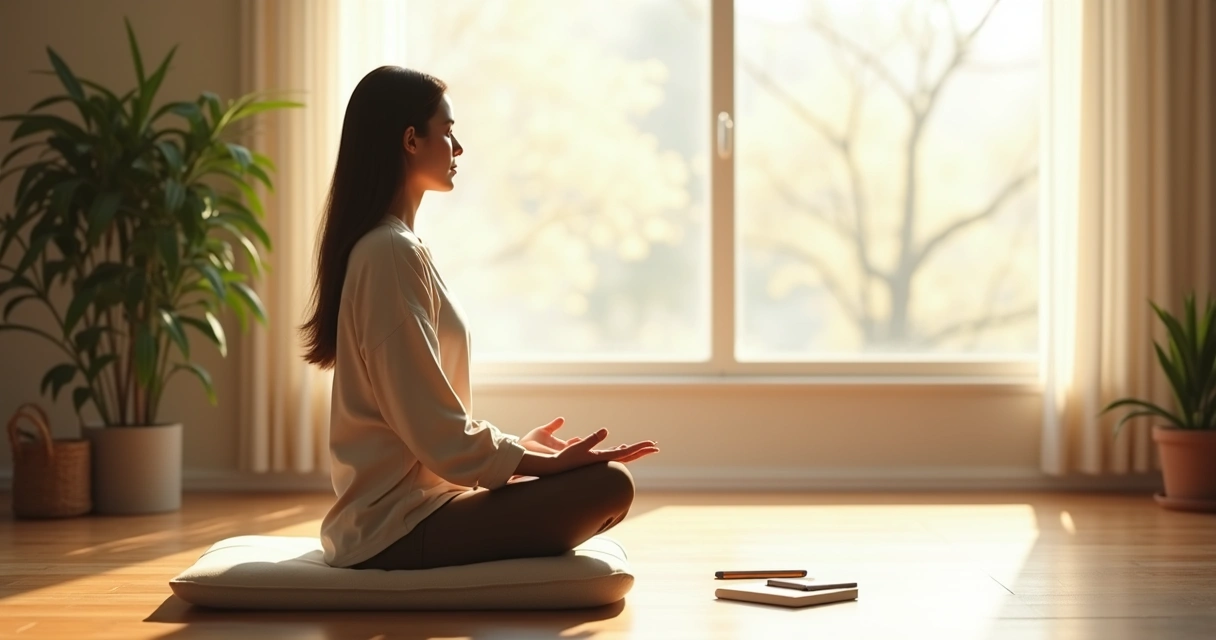
How to meditate for system clarity
Many people start meditation hoping to feel calm right away. Sometimes that happens. Sometimes it does not. For system clarity, calm is helpful, but observation is the main point.
We suggest a simple structure:
Choose a fixed time, even if it is just 10 minutes.
Sit with a stable posture and let your body settle.
Place attention on the breath without forcing it.
Notice thoughts, sensations, and emotions as events, not commands.
Ask one clean question near the end, such as: “What am I not seeing clearly?”
After this, write down what came up. Not a full diary. Just a few lines. We find that brief notes often reveal repeated themes over time.
This practice works well because it has two parts. First, we reduce noise. Then, we observe the system with more honesty.
If your mind wanders every minute, that is normal. In fact, noticing the wandering is part of the training. The return is the practice.
What to observe during practice
System clarity grows when we learn what to track. If we sit without any inner literacy, we may miss the message behind the discomfort.
During meditation, we can observe:
Recurring thoughts that show hidden fears or fixed stories
Body tension that appears when certain people or situations come to mind
Emotions that change quickly, which may point to unresolved triggers
Inner roles, such as rescuer, judge, victim, controller, or pleaser
These signs matter because systems often speak through repetition. What returns again and again usually deserves attention.
We also think it helps to pair meditative observation with reflection from practical philosophy. Clear questions shape clear seeing.
Common mistakes that block clarity
People often think meditation fails when it reveals discomfort. But discomfort may be the first honest sign that we are finally seeing what was already there.
Here are mistakes we see often:
Using meditation only to escape stress
Expecting instant peace from every session
Judging thoughts instead of observing them
Ignoring body signals while focusing only on ideas
Practicing without reflection afterward
Meditation for clarity is less about feeling good and more about seeing straight.
This is also where emotional development matters. If a practice brings up grief, fear, or shame, we should not force intensity. A grounded pace is wiser. Themes linked to emotional maturity can support that kind of honest and steady growth.
When meditation reveals system patterns
There is a moment many people recognize. They sit with a simple conflict in mind, and then the conflict opens into a pattern. A work issue starts to look like a belonging issue. A relationship issue starts to look like an old loyalty. The present links to something older.
We see this often in family and group dynamics. One person carries tension that does not start with them alone. Meditation can create enough inner space to notice these links before acting from them.
If you want to reflect more deeply on relational patterns, themes connected to systemic constellation can help frame these observations.

Recent analysis of 2022 meditation prevalence data reported that about 18.1% of U.S. adults had used meditation in the past year. That number suggests a growing search for inner steadiness. We think the reason is clear. Life has become loud, fast, and fragmented. People want a way to return to direct experience.
For those who want to keep studying related themes over time, a focused search through broader content on inner development can help connect practice with daily life.
Conclusion
Meditation can become much more than a pause in the day. It can become a disciplined way of seeing. When we practice with honesty, we start to notice what drives our reactions, where our energy gets tied up, and which patterns shape our relationships and choices.
We do not need perfect silence for this. We need presence, patience, and the courage to look without rushing to fix everything. Over time, system clarity grows from that posture. We become less fused with noise and more able to respond with awareness.
If we stay with the practice, even briefly and consistently, meditation stops being abstract. It becomes lived knowledge.
Frequently asked questions
What is meditation for system clarity?
Meditation for system clarity is a practice of quiet observation that helps us notice the patterns shaping our thoughts, emotions, and relationships. It is not only for relaxation. It is a way to see how inner and outer systems affect our choices.
How can meditation improve system clarity?
Meditation improves system clarity by reducing mental noise and giving us space to observe reactions before acting on them. With regular practice, we can identify repeated fears, emotional triggers, body tension, and relational patterns with more precision.
What are the best meditation techniques?
The best techniques for system clarity are usually simple. Breath awareness, body scanning, open observation, and short reflective sitting after a clear question all work well. The best method is the one we can practice steadily without strain.
How long should I meditate daily?
For most people, 10 to 20 minutes a day is enough to begin. A short daily practice often helps more than a long session done once in a while. Consistency tends to reveal patterns more clearly over time.
Is meditation worth it for system clarity?
Yes, meditation is worth it for system clarity when practiced with patience and honest self-observation. It can help us understand our inner patterns, respond with more awareness, and relate to others with less confusion and reactivity.