


Many teams talk about culture, values, and trust. Fewer teams build small daily acts that make those words real. In our experience, a conscious work environment is not shaped only by policy or leadership speeches. It grows through repeated moments. Quiet ones. Human ones.
We have seen this in meetings that begin with tension and end with relief because someone named what was true. We have seen it in teams that did not need more tools, only better habits. Rituals give structure to awareness. That is why they matter more than they first appear.
Studies from Harvard Business School on work rituals and team bonding found that regular rituals can increase the sense of meaning people feel at work by about 16% and can also increase helping behavior among colleagues. That says a lot. Simple repeated acts can change the emotional quality of a workplace.
Why overlooked rituals matter
Some rituals look too small to deserve attention. A pause before a meeting. A check-in round. A way of closing the week. Yet these small acts shape how people feel, speak, disagree, and recover. They help us move from automatic reaction to conscious participation.
If we want better work environments, we need more than targets and task boards. We need practices that support consciousness, emotional maturity, and a broader sense of human valuation. We also need room for reflection, which is one of the strongest gifts of practical philosophy.
Culture is repeated behavior.
Below, we share ten rituals that often stay outside the spotlight, yet quietly change the workplace from the inside.
Ten rituals that change the tone of work
The order below is flexible. What matters is not doing all ten at once. It is choosing one or two and staying with them long enough for people to trust the process.
-
Start meetings with one word of presence.
Before agendas and updates, we invite each person to share one word about how they arrive. Focused. Tired. Hopeful. Scattered. This takes less than two minutes, but it changes the room. People stop pretending they are machines.
-
Open the week with shared intention.
On Monday, ask one question: What quality do we want to protect this week? Calm, clarity, honesty, respect, courage. This keeps the team linked to a lived value, not only a result.
-
Close the week with meaning, not only status.
Many teams end the week by listing what was done. We suggest one more question: What mattered this week? The answer may be a solved issue, a kind gesture, or a hard conversation handled well. Meaning deepens memory.
-
Use a two-minute pause before conflict talks.
When emotions rise, speed becomes dangerous. A two-minute silent pause before a sensitive conversation can reduce defensiveness. We have seen people walk into that silence tense and come out able to listen. Short pause. Big shift.
-
Name unseen effort in public.
Visible wins often get praise. Invisible labor often does not. Emotional support, preparation, quiet reliability, and care for details hold teams together. Once a week, we can name one unseen effort we noticed in someone else.

-
Create a ritual for repairing mistakes.
Healthy workplaces do not avoid mistakes. They repair them well. A simple pattern helps: What happened, what impact did it have, what do we need now, what will change next time? Repair builds trust faster than perfection does.
-
Hold one device-free conversation each week.
Not every talk should happen beside notifications. Choose one meeting, even just fifteen minutes, where phones stay away and screens remain closed unless needed. Attention becomes more stable, and people feel it at once.
-
Rotate the voice that opens reflection.
Conscious environments are not built only from the top. Each week, a different team member can bring one short reflection, question, or learning. This spreads ownership and shows that wisdom is shared, not reserved.
-
Mark transitions after intense periods.
After a launch, crisis, or deadline, teams often rush straight into the next demand. We think that is a missed human moment. A transition ritual can be as simple as a debrief, a gratitude round, or five minutes to breathe and reset.
-
End major meetings with one clear commitment.
Not five. Not ten. One. Ask each person, what is your next conscious commitment from this conversation? This reduces confusion and makes responsibility more direct. Clarity is a form of respect.
If your team wants more ideas, it can help to review themes related to workplace rituals and choose one that fits the current moment rather than forcing a model that feels unnatural.
How to make rituals stick
We have seen good rituals fail for one reason: they were introduced as decoration. A ritual only works when it is simple, repeated, and emotionally safe. People need to know why it exists and what kind of space it protects.
A few guidelines help:
Keep the ritual short at first.
Explain its purpose in plain words.
Repeat it at the same point in the week or meeting.
Do not force emotional exposure.
Review after a month and adjust.
One team we worked with tried long emotional check-ins and people resisted. Then they changed it to one sentence per person. It worked. Same intention, better form. That is often the difference.
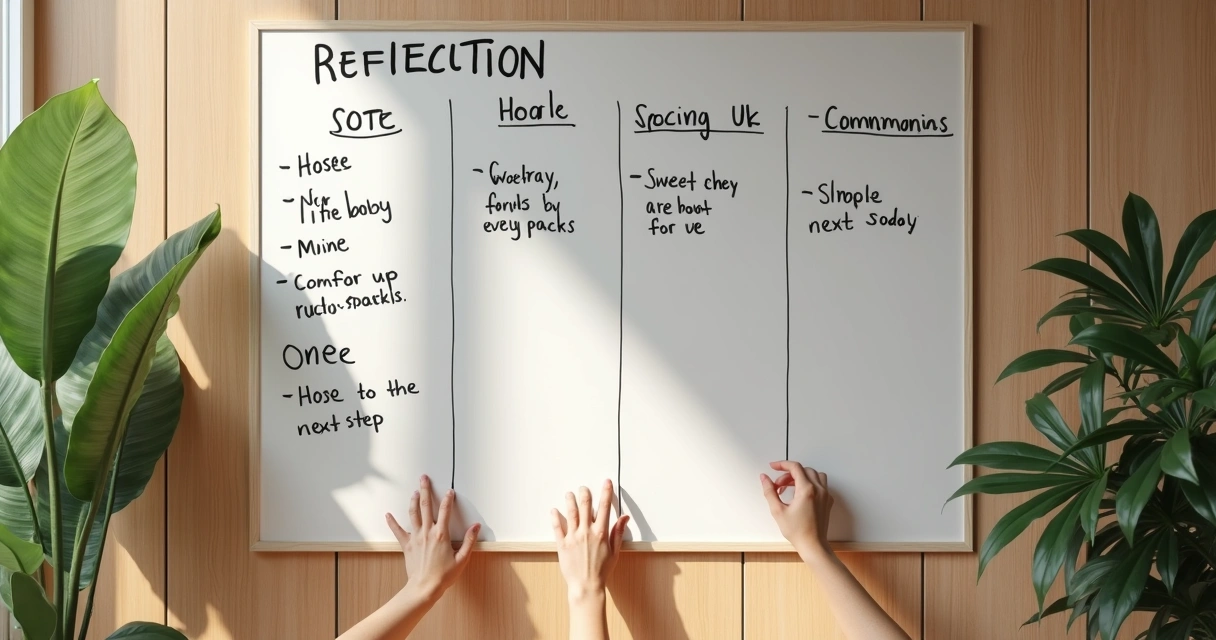
What conscious environments feel like
They do not feel perfect. They feel awake. People speak with more honesty. Meetings hold more space and less noise. Tension still exists, but it moves instead of getting trapped under politeness.
A conscious work environment is one where people can stay human while doing serious work. That includes room for clarity, emotional responsibility, and meaningful repair. Rituals help make that possible because they turn good intentions into a shared rhythm.
Conclusion
The most effective cultural shifts are often modest at first. They begin with repeated acts that seem almost too simple to matter. Then one day, the room feels different. People interrupt less. They listen more. They name what is true earlier. They recover from friction with less damage.
That is how conscious work environments are built. Not only through strategy, but through ritual. We do not need grand gestures to begin. We need steady ones.
Frequently asked questions
What is a conscious work environment?
A conscious work environment is a workplace where people act with awareness, emotional responsibility, and respect for consequences. It supports honest communication, clear boundaries, and shared meaning, not only task completion.
How to start workplace rituals easily?
Start with one short ritual that fits an existing routine, such as a one-word check-in at the start of meetings or a weekly reflection at the end of Friday. Keep it simple, explain why it exists, and repeat it consistently.
What are the most effective rituals?
The most effective rituals are usually short, clear, and easy to repeat. In our experience, meeting check-ins, weekly intention setting, repair conversations after mistakes, and end-of-week meaning rounds tend to work well because they support trust and clarity.
Is it worth it to implement rituals?
Yes, when rituals are well chosen and repeated with care, they can improve trust, attention, cooperation, and the sense of meaning people feel at work. They do not need to be complex to have a real effect.
How can I measure ritual impact?
You can measure ritual impact through meeting feedback, team climate surveys, retention signals, conflict patterns, and simple observation. Look for signs such as better listening, clearer commitments, fewer repeated misunderstandings, and more willingness to help one another.