

Some days do not fall apart all at once. They drift. We move from task to task, answer messages, solve small problems, and only later notice that we have been absent from ourselves for hours. In our experience, this is where micro-moments help. They are small pauses, brief enough to fit into real life, yet deep enough to bring us back to awareness.
Micro-moments are short pauses that help us notice what we feel, think, and choose in the middle of ordinary life.
They do not ask for a perfect routine or a silent room. They ask for honesty. Thirty seconds before a meeting. One slow breath before replying. A quick question while washing our hands. These tiny stops can interrupt automatic behavior and create room for conscious action.
Small pauses change direction.
Why small pauses work
When life gets busy, our inner state becomes easy to ignore. We may say yes while feeling resistance. We may keep speaking while tension rises in the chest. We may call it discipline, but sometimes it is disconnection. A micro-moment helps us notice this gap before it grows.
We think this works because awareness does not always need a long ritual. Sometimes it needs repetition. A short, steady return to the present can calm reaction, sharpen perception, and make our next step cleaner.
If we want a more grounded life, we do not always need more time. We often need better points of return. This is closely tied to the practice of consciousness, where attention becomes an active part of daily living rather than a rare event.
What a conscious self-check includes
A self-check is not self-criticism. It is a simple inner reading. We are not trying to judge what appears. We are trying to see it clearly enough to respond with maturity.
A good self-check often includes three layers:
Body, such as breath, tension, restlessness, or fatigue.
Emotion, such as irritation, fear, joy, sadness, or pressure.
Direction, meaning what choice we are about to make and why.
A daily self-check becomes conscious when we connect feeling, meaning, and action in the same brief moment.
One person may notice a tight jaw before speaking. Another may catch a need for approval before saying yes. We have seen how these tiny observations prevent many avoidable conflicts. The shift can be quiet, but real.
Where to place micro-moments in the day
The best micro-moments are attached to things that already happen. If we depend only on memory, we forget. If we connect the practice to existing transitions, it becomes natural.
Useful places include:
Before unlocking the phone in the morning.
Before entering a meeting or call.
After reading a difficult message.
While waiting for water, coffee, or an elevator.
Before meals.
When arriving home.
We once worked with someone who felt that self-awareness was hard because the day moved too fast. Instead of adding a long practice, they paused at every doorway. Hand on the handle. One breath. One question. After a week, they were less reactive. Not because life became easier, but because they stopped abandoning themselves in the middle of it.

Questions that make the pause meaningful
Not every pause leads to clarity. The quality of the question matters. If the question is too broad, the mind runs away. If it is simple, the answer can appear fast.
We suggest trying questions like these:
What am I feeling right now?
What is driving my next action?
Is my body open or tense?
Do I need to slow down before I respond?
What would be a cleaner choice in this moment?
These questions support the kind of inner honesty that also shapes emotional maturity. They help us move from impulse toward presence, and from presence toward responsibility.
The goal is not to feel good in every micro-moment, but to become truthful in it.
How to keep it simple and real
Many people stop because they turn a brief check into a full inner debate. That usually makes the practice heavy. A micro-moment should be light enough to repeat.
We can use a short sequence:
Pause for one breath.
Name what is present.
Choose one next step with awareness.
That is enough. We do not need to solve our whole life in the hallway, the car, or the kitchen. We only need to stop long enough to reduce automatic living.
This has deep links with practical philosophy, because every pause invites a lived question: am I acting from habit, fear, clarity, or value? Over time, those repeated small choices shape character.
What gets in the way
Some obstacles are common. We may feel silly. We may think a short pause cannot matter. We may avoid checking in because we suspect we will find discomfort there. That part is honest. Sometimes we do.
Still, discomfort seen early is often easier to hold than discomfort ignored all day. We have found that resistance softens when the practice is gentle and consistent.
If the habit does not stick, it helps to adjust one of these points:
Make the pause shorter, not longer.
Tie it to one stable daily cue.
Use the same question for a week.
Write one word after a stronger moment.
There is also value in noticing what we tend to ignore in ourselves. That kind of awareness affects how we relate, decide, and contribute, which is part of a broader view of human valuation.
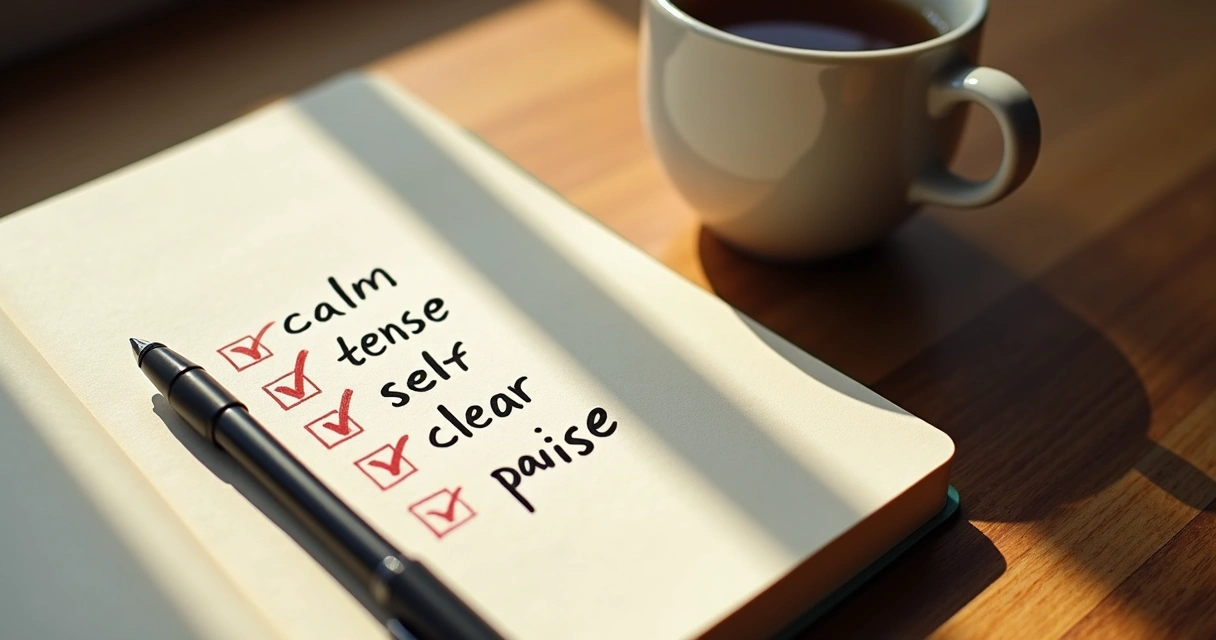
Turning micro-moments into a daily practice
We do not build this habit by forcing intensity. We build it by honoring repetition. One conscious breath before sending a message. One clear question before saying yes. One honest body check while standing in line. This is how awareness enters ordinary life.
If we want support in making the practice more personal, we can also use themes and reflections found through the site search. Sometimes one good question at the right time is enough to shift the whole tone of a day.
Conclusion
Micro-moments are small, but they are not shallow. They help us return to ourselves before our reactions harden into patterns. With brief and repeated self-checks, we begin to notice tension sooner, speak with more truth, and choose with more care.
We do not need a dramatic change to live more consciously. We need honest returns. Again and again. In the middle of the day, in the middle of pressure, in the middle of ordinary life.
Awareness grows in seconds too.
Frequently asked questions
What are micro-moments in self-checks?
Micro-moments in self-checks are very short pauses during the day when we notice our body, emotions, thoughts, and next choice. They usually last a few seconds or a minute. Their purpose is to interrupt automatic behavior and bring more awareness into ordinary situations.
How can I use micro-moments daily?
We can use them by attaching them to moments that already happen, such as before opening a message, entering a meeting, eating, or arriving home. A simple method is to pause, breathe once, ask one clear question, and then continue with more presence.
Why are micro-moments helpful for self-care?
They support self-care because they help us notice stress, emotional overload, and inner conflict earlier. When we see what is happening inside us in real time, we are more able to respond with care instead of pushing ourselves past our limits without noticing.
How do I create effective micro-moments?
Effective micro-moments are brief, clear, and connected to a daily cue. We suggest choosing one repeated situation, using one simple question, and keeping the practice easy enough to repeat. The more natural the pause feels, the more likely it is to stay with us.
Is it worth practicing micro-moments daily?
Yes. Daily practice helps awareness become steady rather than occasional. The change may seem small at first, but repeated pauses can improve emotional clarity, reduce reactivity, and support more conscious choices across work, relationships, and personal life.